
Hair loss is complicated. Finding the right solution shouldn’t be.
I help you understand your options and make informed decisions about your hair, your confidence, and what comes next.

There isn’t one right answer for everyone.
Hair loss can come with a lot of conflicting information, strong opinions, and expensive options. Nelson helps you understand what’s relevant to you, compare realistic paths forward, and make a decision with confidence.
Understand what you’re seeing
Get clarity on where you are and what questions are worth asking before deciding what comes next.
Know your options
Understand the differences between non-surgical treatments, laser therapy, and hair restoration surgery.
Choose what makes sense
Make an informed next-step decision based on your goals, expectations, and individual circumstances.
Non-surgical options can make a meaningful difference.
These are examples of patients we helped with non-surgical approaches to hair loss. The right solution depends on where you are, what you’re experiencing, and what you want to accomplish.
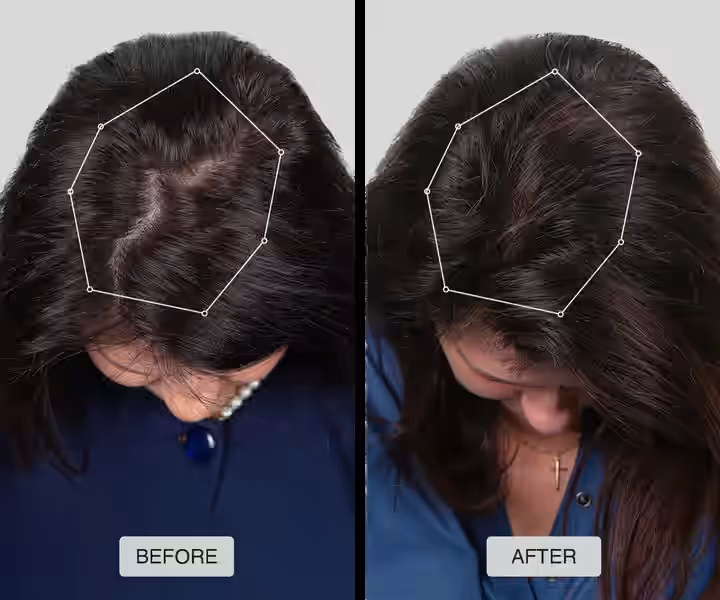
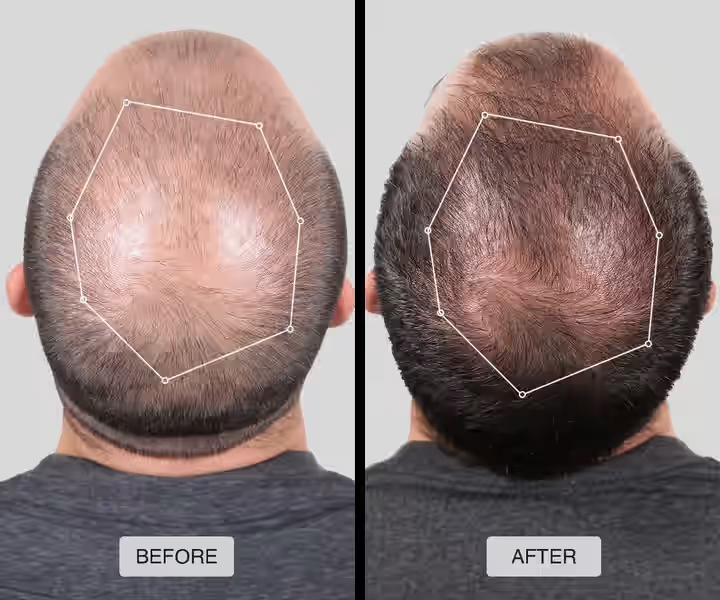
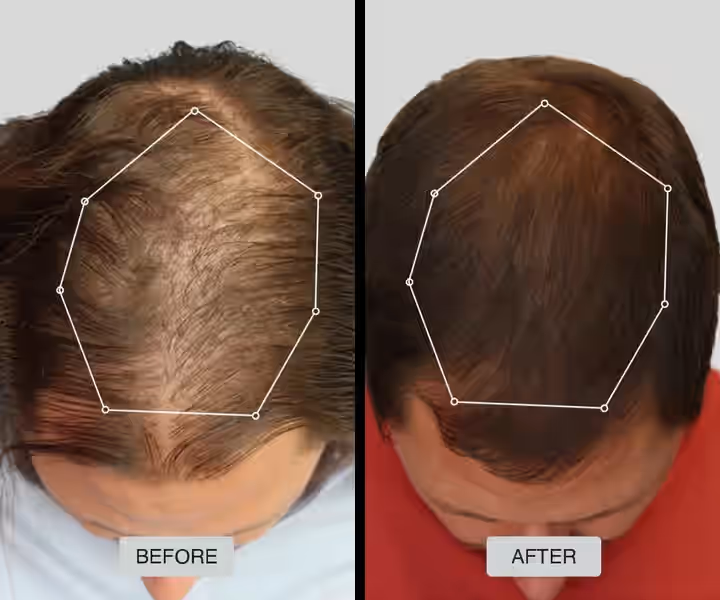
Individual results vary.
Where are you in your hair loss journey?
You do not need to know exactly what treatment you need. Start with where you are today and explore the information that is most relevant to you.
I’m starting to notice hair loss
Learn what may be happening, what is worth paying attention to, and when it may make sense to take action.
I’m looking at treatment options
Understand the different approaches to hair loss and how treatments may fit different goals and situations.
I’m wondering if I need a transplant
Learn when hair restoration surgery may make sense, when it may not, and what you should understand first.
Not sure where you fit?
Answer a few questions about your hair loss, goals, and what you have tried so far. I will help you understand which options are worth exploring.
Questions about hair loss and what to do next?
Hair loss can have different causes, and there is no single treatment that makes sense for everyone. These answers can help you understand the most common options and where to start.
What are the most common non-surgical treatments for hair loss?
Common non-surgical options include topical minoxidil, prescription medications such as finasteride for appropriate patients, low-level laser therapy, platelet-rich plasma treatments offered by some medical practices, and addressing underlying nutritional or medical causes when relevant. The right option depends on why you are losing hair, how advanced the loss is, and what you want to accomplish.
How do I know what is causing my hair loss?
Gradual thinning around the hairline, temples, crown, or top of the scalp is often associated with hereditary pattern hair loss. Sudden shedding, patchy hair loss, scalp irritation, or hair loss following illness, medication changes, or major physical stress may have other causes. When the cause is not clear, evaluation by a qualified medical professional or dermatologist may be appropriate.
Can thinning hair grow back without a hair transplant?
In some cases, yes. Hair that is thinning but still growing may respond to non-surgical treatment, particularly when hair loss is addressed earlier. Areas that have been completely bald for a long time are generally less likely to respond to non-surgical approaches. An assessment can help determine which options are realistic for your pattern of hair loss.
How long does it take to know if a hair loss treatment is working?
Hair grows slowly, so most treatments require consistency and patience. Depending on the treatment and individual, changes may take several months to become noticeable, and a longer period may be needed to properly evaluate progress. Taking consistent photos can make gradual changes easier to recognize.
Does laser hair therapy work for everyone?
No hair loss treatment works for everyone. Low-level laser therapy may be appropriate for some men and women with hereditary thinning, particularly when follicles are still active. The cause and extent of hair loss matter, which is why it is helpful to understand your situation before choosing a device or treatment.
Can I combine different hair loss treatments?
Yes, hair loss plans often involve more than one approach. Depending on the individual, a plan might combine medication, laser therapy, medical treatments, or eventually hair restoration surgery. Any medications or medical treatments should be discussed with an appropriate healthcare provider so the combination is suitable for you.
How do I know if I need a hair transplant?
A hair transplant may be worth considering when hair loss is significant, non-surgical approaches are unlikely to provide the density you want, and there is sufficient donor hair available for restoration. Age, future hair-loss progression, donor density, expectations, and previous treatments should all be considered before deciding on surgery.
Should I try non-surgical treatment before getting a hair transplant?
Sometimes. Non-surgical treatment can be useful for preserving existing hair, improving thinning areas, or helping determine how much improvement is possible without surgery. In other cases, the degree of hair loss may make transplantation a more appropriate option. The best sequence depends on your pattern of loss, goals, and long-term plan.
What non-surgical hair loss treatments are available in Atlanta?
People looking for non-surgical hair loss treatment in Atlanta may encounter options including minoxidil, prescription hair-loss medications, laser hair therapy, PRP, and other medical or cosmetic approaches. Nance Hair Solutions helps people compare their options and understand which paths may be worth exploring before committing to a particular treatment.
How do I know if I need a hair transplant in Atlanta or should try other options first?
If you are considering a hair transplant in Atlanta, it can be helpful to first understand how advanced your hair loss is, whether your existing hair can still be preserved or improved, and what results you realistically want. Nelson can help you compare non-surgical options with transplantation so you can make a more informed decision about what to explore next.